What a broker open is for: pricing feedback from people who sell homes for a living
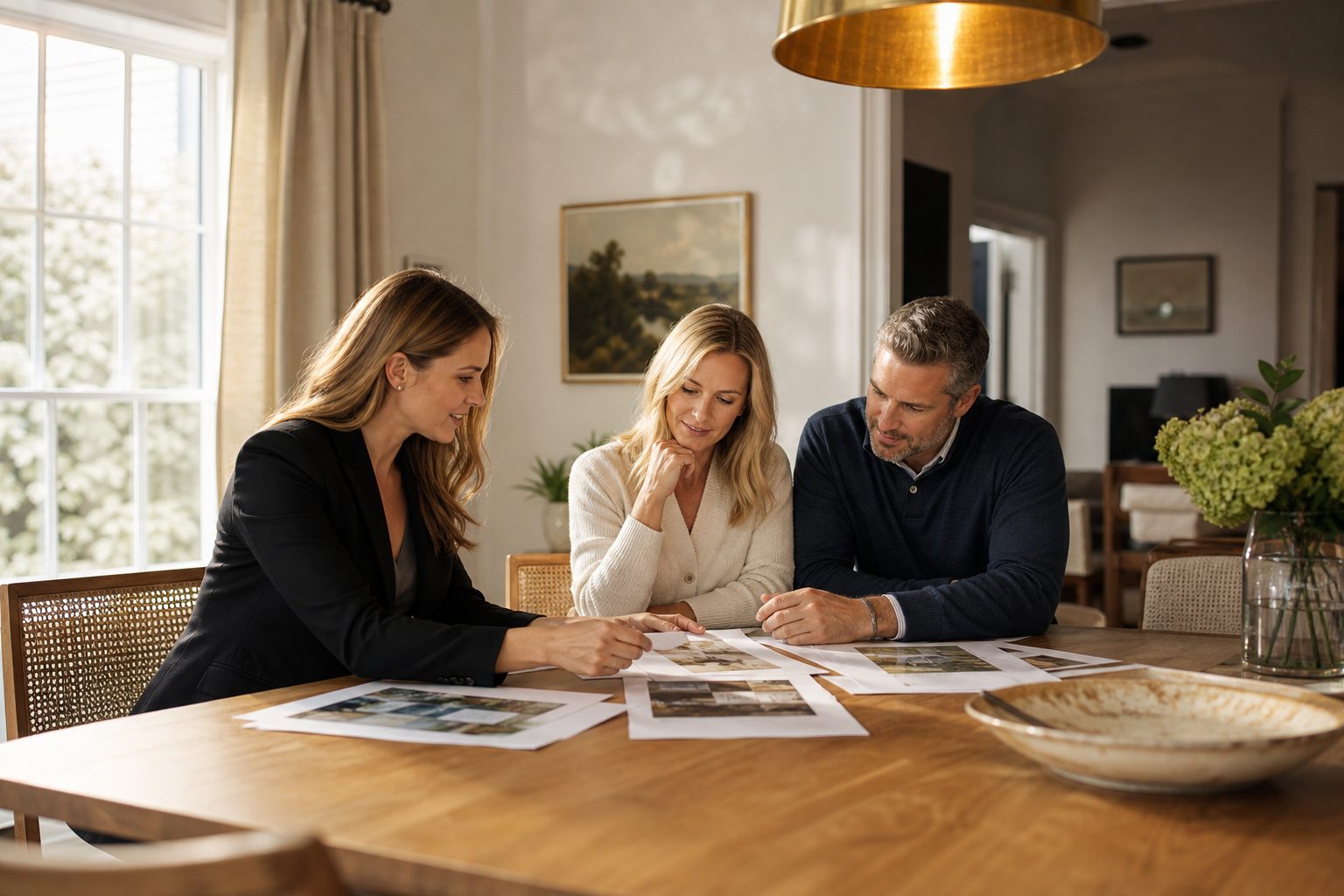
A broker open, sometimes called a broker tour, is a weekday event that invites local real estate agents to preview a new listing before the general public sees it. The main goal is professional feedback. Agents offer opinions about the list price, presentation, and anything that might slow down a sale. These guests walk through multiple homes every week, and many have buyers actively looking in the area.
The value in a broker open is not just in showing off the property. Agents pick up on buyer objections before the first weekend rush. They notice details sellers may miss: odors, worn carpet, an odd color choice, or outdated fixtures. Agents will often compare the home to others they have seen or sold recently. This is the kind of input that helps a seller decide whether to tweak the price or invest in a quick fix before open house season begins.
Some agents use a rating sheet or a follow-up call to collect structured feedback on price and condition. Others rely on informal conversations in the kitchen. Either way, the seller gets a snapshot of how the home stacks up against the current market, straight from people who know what buyers want and what they will pay.
Keep reading: Open House Follow Up Mistakes That Break Call and Text Rules
What a public open house is for: named neighbors, live buyers, and proof of effort
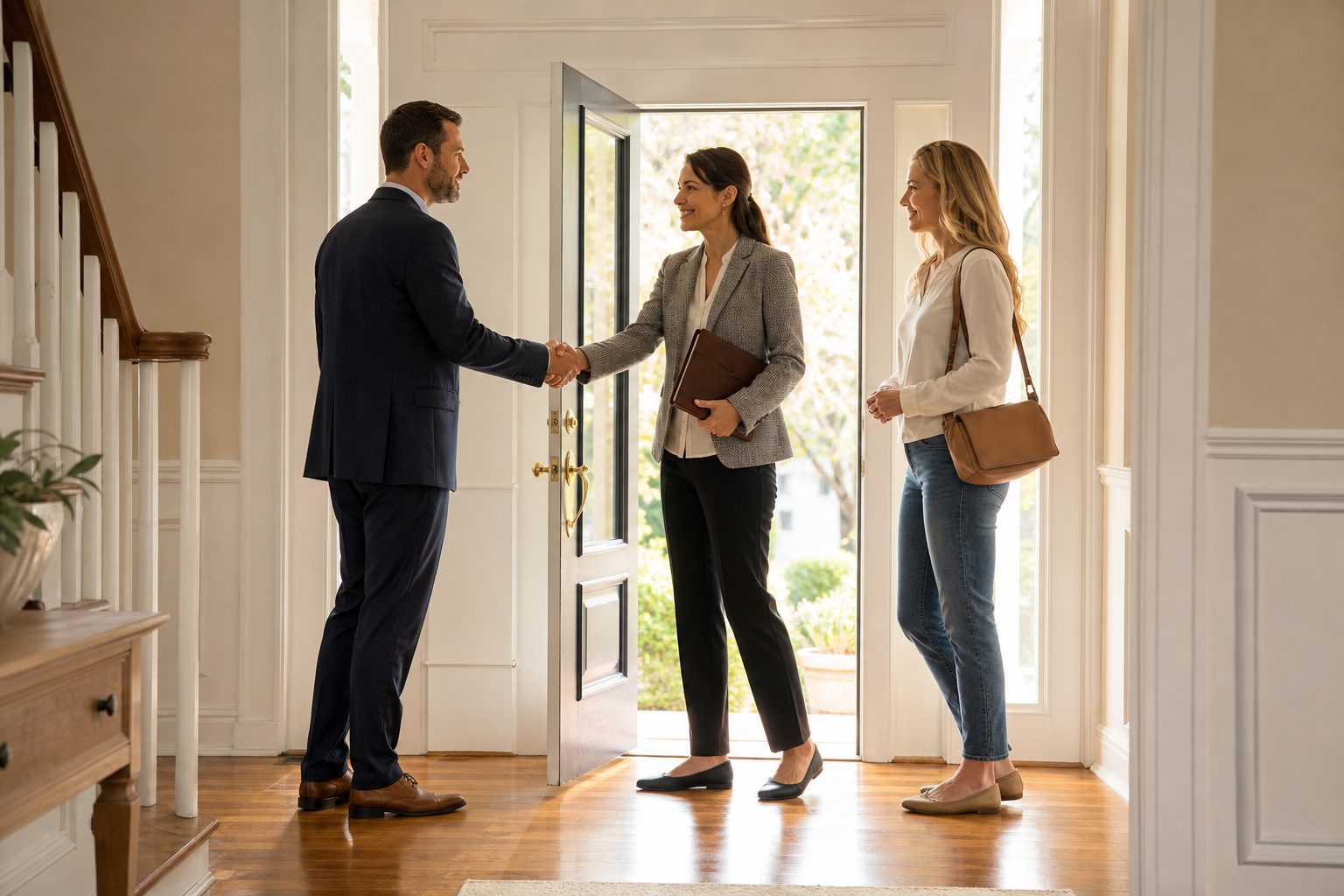
Public open houses serve a different purpose. Here, the goal is to attract actual buyers, collect contact information, and give the seller visible evidence that their listing is getting attention. Signs go out on corners. Doors are open for anyone who wants to walk through. The agent greets neighbors, potential buyers, and sometimes people just out for a look at what is new in the area.
Unlike broker opens, the feedback is less technical. Visitors may say what they like or dislike, but most will not have seen competing homes or have a true sense of value. Still, public opens generate real buyer leads and let the seller see that marketing efforts are active. Some sellers even judge the agent's effectiveness by the number of visitors, names in the sign-in, and follow-up activity.
Neighbors often stop by, curious about the price or to see how their own home compares. This can be valuable for future business, as a neighbor who visits an open house may be thinking of selling. An open house also creates a social proof effect: when neighbors and buyers see others walking in, it signals demand and urgency.
Timing: weekday lunch, weekend afternoon, and the twilight variation
Broker opens are almost always scheduled on weekday mornings or early afternoons, often to coincide with local agent tours. In many areas, Tuesday or Thursday is the standard day. These events last one to two hours and sometimes offer lunch or snacks to encourage attendance. The timing is designed to fit into an agent's workday between appointments.
Public open houses usually run on weekends, with Sunday afternoons being the most popular slot. Some agents also hold Saturday opens, especially in markets where buyers work unconventional hours or for listings that need extra attention. The typical public open lasts two to four hours, long enough to catch most weekend traffic but not so long that the agent burns out.
Twilight opens, held in the late afternoon or early evening, are less common but can be effective for both formats. For broker opens, a twilight event may draw agents who have full schedules earlier in the day. For public opens, it can attract buyers who work standard hours and want to stop by after work. Twilight opens are especially useful for homes with attractive lighting or views that show best as the sun goes down.
Keep reading: Four Weekends of Open House Feedback Behind One Price Cut
Food, budget, and hours of effort behind each format
Broker open: catering and marketing materials
Broker opens often include food to entice agents to attend. A standard offering is a tray of sandwiches, salads, or pastries from a local deli. Some agents go bigger with catered lunches, hot food, or a coffee bar. The cost comes out of the listing agent's marketing budget. For a typical broker open, expect to spend as much on food as on flyers and sign-in sheets. It is not unusual for agents to spend half a day preparing: ordering food, setting up the home, and printing materials.
Public open house: signs, snacks, and longer hours
Public open houses usually require more time on site. The agent arrives early to clean, stage, and put out directional signs. Snacks and drinks are optional but appreciated, especially for longer opens. Bottled water and cookies are common. Some agents skip food entirely, relying instead on a welcoming atmosphere and professional materials. The real investment is in time: weekend hours spent greeting guests, answering questions, and following up after the event.
Both formats demand preparation, but the public open typically takes more total hours from start to finish. The agent handles set-up, hosting, and breakdown, along with managing the list of visitors for follow-up.
Who actually walks in: agents, neighbors, unrepresented buyers, and browsers
Broker opens: mostly agents and a few broker guests
At a broker open, most visitors are licensed real estate agents. They may come from different brokerages, but all have the same purpose: preview the listing for clients or get a feel for the price. Occasionally, agents bring along buyer clients who are available during the week, but this is less common. Few neighbors attend unless they are also agents or know the host personally.
Public open houses: a mixed crowd
Public opens draw a broader audience. Neighbors who are curious or thinking about selling often stop in. Many buyers attend without an agent, hoping to connect directly with the listing agent. Some are serious, pre-approved shoppers; others are just starting to look and want to see what is available. There are also browsers: people who attend open houses for ideas, entertainment, or simply because they saw the signs on their walk.
The sign-in sheet at a public open house may include first names, partial contact info, or even fake details from visitors who want to keep their options open. Collecting accurate information takes effort and a friendly approach.
See how FoyerSignIn handles this for residential real estate
Feedback you can act on, and feedback a seller should ignore
Broker open: actionable pricing and condition advice
Feedback from a broker open is usually direct and grounded in experience. Agents know what sells in the area and what does not. If several agents say the home is overpriced or point out a common flaw, it is worth taking seriously. These are the issues that can stop a sale before it starts. Agents may suggest a minor staging change, a paint touch-up, or a price correction. Because they work with buyers, their comments reflect the true competition on the market.
Public open: personal tastes and social feedback
Public open house feedback is less reliable. Visitors may comment on decor, dislike the layout, or mention things that are difficult to change. Some buyers use negative feedback as a negotiating tactic. Others simply offer personal opinions that may not reflect the wider market. Sellers should listen for patterns: if multiple buyers mention the same issue, it may be something to address. But one-off comments, especially about style, are usually not worth acting on.
Neighbors often have opinions about price or presentation, but their interest is sometimes more about comparison to their own homes. Their feedback can help build relationships but should not drive important listing decisions.
Choosing by listing situation: fresh listing, stale listing, or a price change
Fresh listing: launch with both formats
For a new listing, many agents host both a broker open and a public open house in the first week. The broker open gathers pricing and condition feedback before the public sees the home. The public open builds momentum, attracts buyers, and gives the seller confidence that marketing is underway. This two-pronged launch is common in competitive markets, especially for homes with broad appeal.
Stale listing: broker open for fresh agent eyes
If a property has been on the market with little interest, a second broker open can help. Agents who missed the first tour may bring new buyers, and feedback can reveal what is not working. Sometimes, a listing needs a price adjustment, staging, or new photos. A broker open offers a chance to relaunch without the pressure of a full public marketing push.
Price change: public open to show new value
After a price reduction, a new public open house signals to buyers that the home is worth another look. Open house signs and online advertising draw in people who may have been discouraged by the old price. Agents also use the event to reconnect with previous visitors and explain the seller's motivation.
In some cases, a price change is paired with both a broker and a public open. The broker open tests the new number with agents, while the public open casts a wider net for new interest.
For solo agents and small teams, managing open house traffic, follow-up, and instant feedback can be a challenge. Digital sign-in tools that collect names, generate seller reports, and automate follow-up can save hours of manual work and help turn every open house, broker or public, into actionable results.