What changed on August 17, 2024, and what stayed exactly the same
August 17, 2024, marked a turning point in open house hosting. Written buyer agreements became a requirement before an agent could provide any real estate services to a prospective buyer. The National Association of Realtors settlement, and similar policy updates from large brokerages, moved buyer compensation offers off the MLS. This reshaped the conversation at every open house.
Despite these changes, core open house activities remained familiar. Solo agents still greet visitors, answer property questions, and collect contact information. The basics of property marketing and compliance with fair housing laws stayed in place. Open houses continued to be a key chance for agents to meet potential buyers in person, but the rules for what could be discussed and how services were offered became stricter.
The biggest shift was in the workflow and timing of how agency relationships begin. The required written agreement created a hard line between casual conversation and actual representation. Many agents spent the summer of 2024 adjusting scripts, updating sign-in forms, and retraining on what constitutes a real estate service.
Keep reading: A Saturday Spent Watching How Agents Greet Open House Visitors
The open house exception to written buyer agreements, in plain terms
New policies carved out a specific exception for open house hosts. Agents no longer need a signed buyer agreement just to show a property during the open house event or to answer basic questions about the home. This exception is narrow, but it keeps the open house viable as a first point of contact.
What hosting without an agreement allows
An agent can greet guests, hand out flyers, and discuss the property's features. General information about the neighborhood, school districts, and the open house process itself can be shared. Hosts may also talk about upcoming showings and general market activity. This "hosting" does not cross into representation.
Where the exception ends
The line gets crossed when an agent starts to advise a visitor: for example, by suggesting a negotiation strategy, offering opinions on price, or proposing to show other homes. At that point, a written buyer agreement is required. This is true even if the visitor only asks for advice once. Solo agents need to be comfortable pausing the conversation and presenting the agreement if it moves beyond the allowed scope.
Talking with an unrepresented visitor without creating an accidental client
Most solo agents and small teams will encounter visitors at open houses who are not working with another agent. These unrepresented buyers present both opportunity and risk. The key is to maintain a boundary between sharing facts and providing personalized advice.
Scripts that keep it compliant
A safe approach is to answer questions factually, avoid "what should I do" discussions, and clarify when a visitor asks for opinions. For example, if asked how much to offer, a host can explain how offers are typically submitted, without suggesting a number or a tactic. Agents often use phrases like, "That's a discussion we'd need a written agreement to have," to signal the limit.
When to present the written agreement
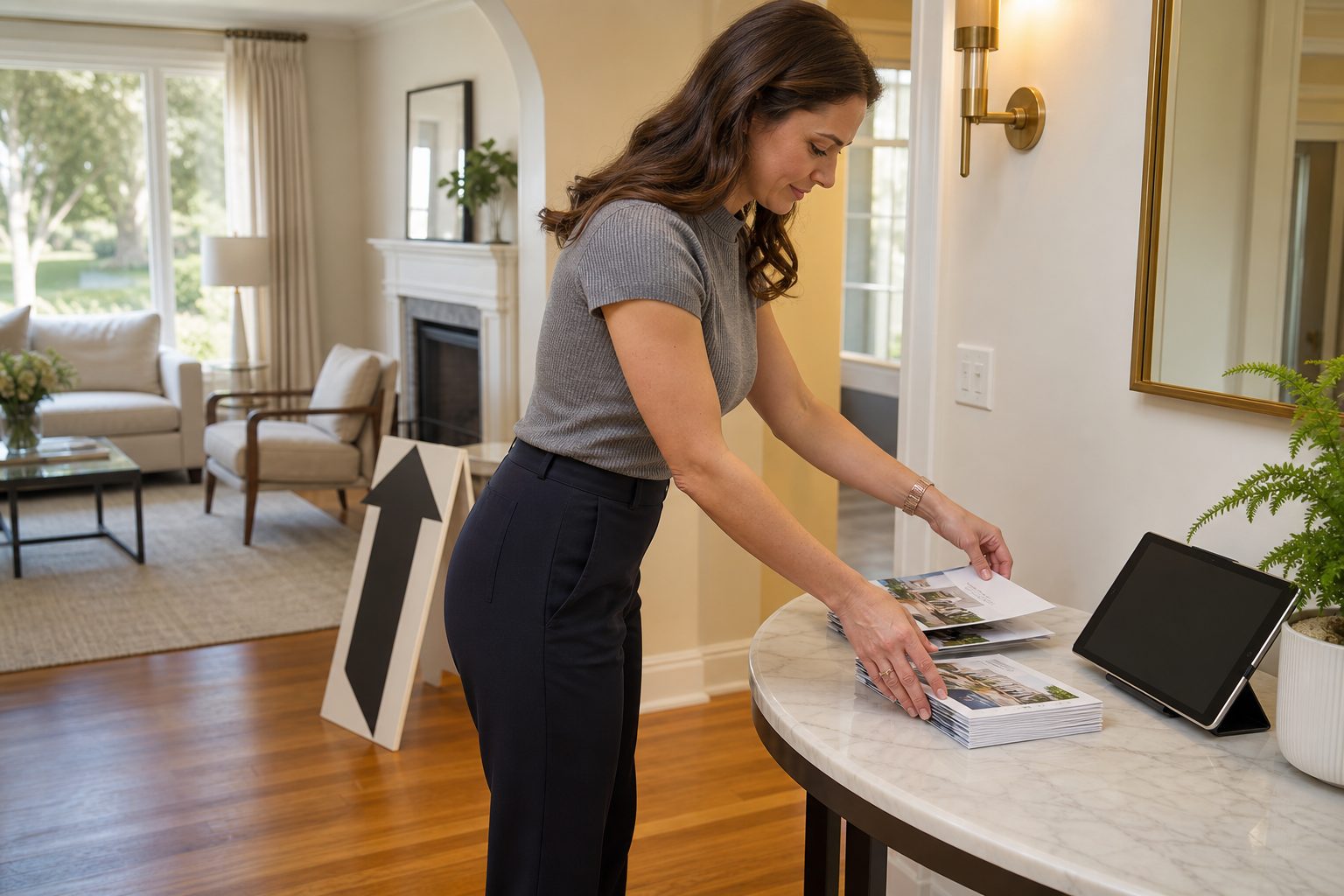
If a visitor wants representation, either for advice on this property or to see others, the agent must pause and present the agreement paperwork. Many agents keep a digital copy on a tablet or a printed blank on hand. Signing can happen on the spot, but only after explaining what the agreement covers and why it's now required. This process can feel abrupt, but it is safer than overstepping and risking a violation.
Documenting the boundary
Some agents also note in their records when a visitor declined to sign, or when a conversation ended before advice was given. This kind of documentation protects the agent, especially in a dispute over whether an agency relationship was formed. Keeping clear logs of open house interactions has become a best practice.
Keep reading: Fair Housing Limits on What You Ask Open House Visitors
Compensation off the MLS: what a host can and cannot say about who pays
Another major change is that information about buyer agent compensation is no longer displayed on most MLS systems. This affects what open house hosts can discuss regarding payment for buyer representation.
What is allowed
A host can tell visitors how buyer agent compensation is now handled. This usually means explaining that compensation is no longer standardized or guaranteed and that payment terms are negotiated directly between the buyer, their agent, and the seller. Solo agents often prepare a short explanation of how fees might be covered in a transaction, and when the buyer would be responsible for paying their agent.
What is not allowed
Hosts should avoid making promises about payment from the seller or quoting specific percentages unless they have written confirmation for that property. Discussing other brokers' compensation practices is also off limits. If a visitor asks, "Will the seller pay my agent?" the safe response is to explain the basics of negotiation and suggest reviewing the agreement together if the visitor wants to proceed.
Disclosure requirements
Many brokerages now require that agents disclose, in writing, how compensation will be handled before entering into a buyer agreement. At the open house stage, it is enough to state that the process has changed and that every situation is now unique. Agents who are unsure often check with their broker before answering any compensation questions in detail.
Delayed marketing and office exclusives thinning the public open house calendar
"Coming soon" periods and office exclusives have become more common since the settlement. Sellers are increasingly asking for limited or delayed public marketing, which affects how many open houses get scheduled and who can attend them.
Impact on open house volume
In some markets, the number of public open houses has dropped, especially for high-end listings and in tight inventory areas. Properties may be shown only to agents within the listing brokerage for several days before public marketing begins. This reduces walk-in opportunities for solo agents to meet new buyers.
Who gets to attend
Office exclusives and delayed public listings often mean that only pre-registered or known buyers are allowed in during early showings. Open houses, when they do occur, may have more controlled sign-in procedures and stricter guest tracking. For the solo agent, this means fewer casual drop-ins and a higher percentage of intentional, motivated visitors.
Adjusting marketing strategies
Agents are responding by making better use of digital sign-in, targeted follow-up, and pre-event outreach. Some host virtual open houses or schedule private tours for buyers who cannot attend during the public window. The calendar is thinner, but opportunities remain for those who adapt quickly.
See how FoyerSignIn handles this for residential real estate
Where sign in records now sit inside a brokerage compliance file
Open house sign-in information is no longer just about building a lead list. With tighter rules on agency creation and compensation, these records now play a role in brokerage compliance.
Proof of process
Brokers are asking agents to document who attended an open house, whether written agreements were offered or declined, and what information was shared. Records may be reviewed if there is ever a dispute about when an agency relationship began or what was promised to a buyer. Solo agents need to keep clean, organized logs of all open house visitors, including timestamps and notes.
Retention and privacy
Most brokerages now require that open house sign-in sheets or digital records be retained for several years, matching other transaction records. Sensitive information must be stored securely and in compliance with state privacy laws. Digital sign-in tools that timestamp entries and track interactions are becoming preferred over paper lists for this reason.
Audit readiness
In the event of an audit or a legal challenge, a detailed record showing who attended, what was discussed, and when agreements were signed or declined can be the difference between a quick resolution and a drawn-out investigation. Agents who use automated sign-in systems find it easier to compile this information, especially when required by the broker or a regulator.
What to watch next: state agency law, portal rules, and touring agreements
The August 2024 changes created a new baseline, but more updates are coming. State real estate agencies are reviewing their own definitions of agency, and some may add or clarify rules about when a buyer-client relationship begins. Solo agents should expect more guidance on what constitutes a "service" versus "hosting."
Portal-driven touring agreements
Major listing portals are piloting features that let buyers request tours directly from the site, triggering quick agency disclosures or even instant agreements. Some states are considering whether these digital interactions count as the start of a client relationship. Agents who host open houses may see more visitors who have already signed a limited touring agreement.
Record-keeping and compliance tech
More states are expected to require brokers to document all buyer interactions, not just those that lead to signed agreements. This will increase the need for real-time, digital record keeping at open houses. Tracking who received an agency disclosure, what was said about compensation, and which visitors declined representation may become standard.
Staying adaptable
The next year will likely bring fresh guidance from regulators, more updates from portals, and continued fine-tuning of brokerage policies. For solo agents, the safest path is to use clear scripts, document every contact, and use digital tools that make compliance automatic.
For agents running their own open houses, a digital sign-in that supports instant reports and automated follow-up makes it easier to stay compliant with new rules and prove exactly how every visitor was handled.