The setup hour: three door tables and three very different first impressions
On a single spring Saturday, I visited three open houses in three neighboring suburbs. Each started within an hour of the other, and each was set up by a solo agent or a two-person team. The only common thread was the folding table by the front door. Yet, each agent made that space feel different the moment you walked in.
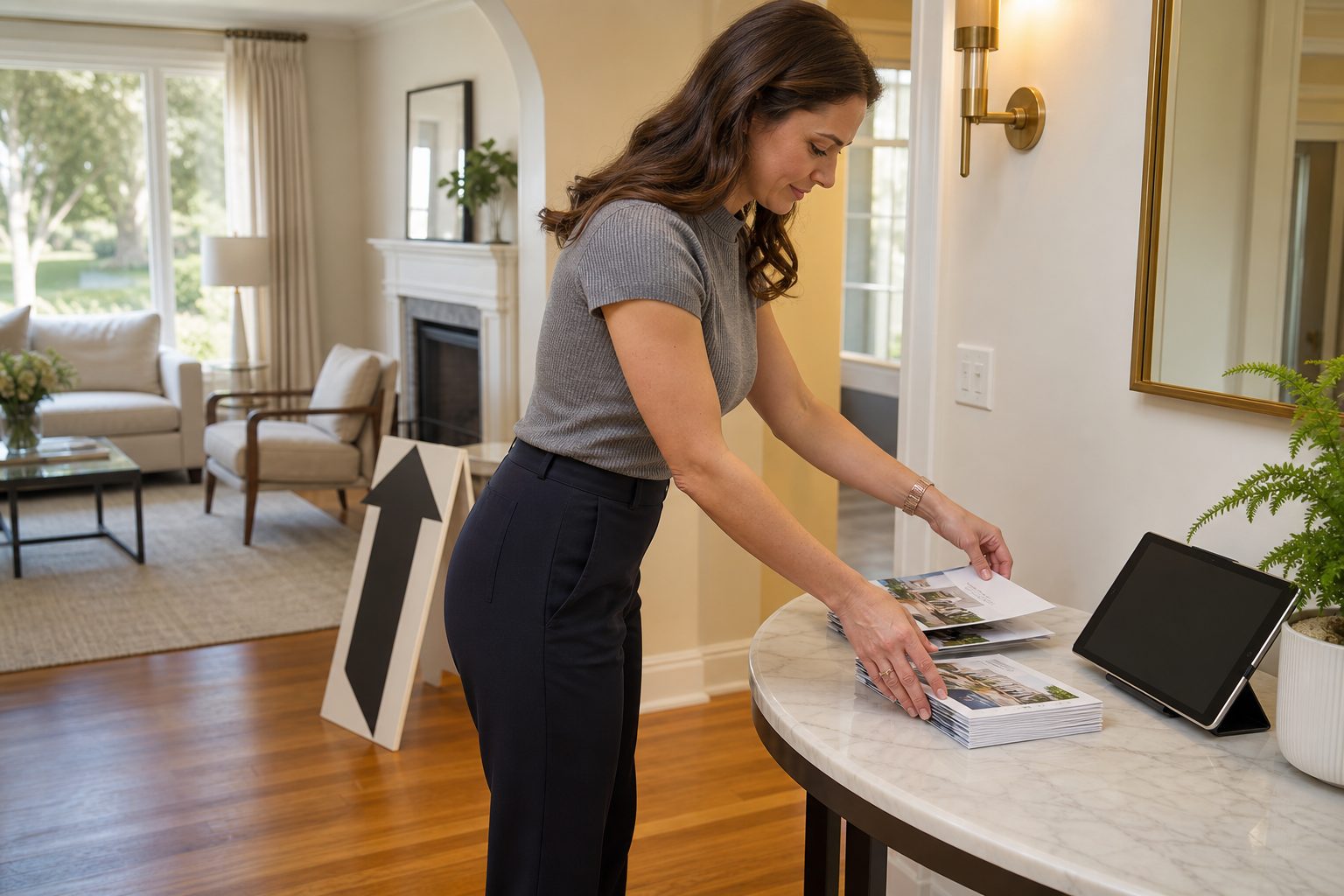
The first agent, Rachel, set out a crisp white tablecloth, a stack of feature sheets, a chrome pen cup, and a slender vase of flowers. Her sign-in sheet sat on a clean clipboard, flanked by a bowl of wrapped candies. The table faced guests as soon as the door opened. This arrangement sent a clear signal: pause here, sign in, and someone will greet you.
The second stop, a townhouse, used a bare card table wedged near the entryway. Greg, the agent, taped the sign-in form to the table so it wouldn't slide. There was a pile of listing flyers and a generic pen. The table looked temporary, almost apologetic, as if the sign-in was a formality rather than an invitation.
At the third house, the two-person team skipped the entry entirely. Instead, they placed their materials on the kitchen island halfway through the house. The first thing visitors saw was the living room, not a greeting table. The kitchen held a tablet, two stacks of flyers, and a small hand sanitizer bottle. Visitors had to make it past the main living area before anyone asked them to sign in.
Keep reading: Fair Housing Limits on What You Ask Open House Visitors
Who came through and when: neighbors early, real buyers after two o'clock
All three agents agreed on one thing: neighbors show up first. At Rachel's colonial, the first couple at the door recognized her from a previous sale down the street. They didn't look at the sign-in sheet. They wanted to know if the sellers were moving out of state. Rachel smiled, chatted, and gently nudged them to sign in. They wrote only their first names and a street name, not an email or phone number.
Between ten and noon, the bulk of visitors at each house were local. Some came in pairs, some with dogs on a leash. Only half stopped to fill out the sign-in, and most skipped the optional fields. The real buyers, those who checked the windows, peeked in closets, and asked about furnace age, started arriving after two o'clock. By then, the agents had shifted from neighborly chit-chat to questions about pre-approval and timing.
At Greg's townhouse, the mid-morning brought a lull, but by 2:15pm, two serious buyers came through. They'd seen the house online that morning and had a list of pointed questions. They signed in fully, including cell numbers. The kitchen island setup at the third house saw a similar pattern: casual traffic early, then buyers with agents in tow later in the day.
Greetings that got a full name, and greetings that got a polite nod
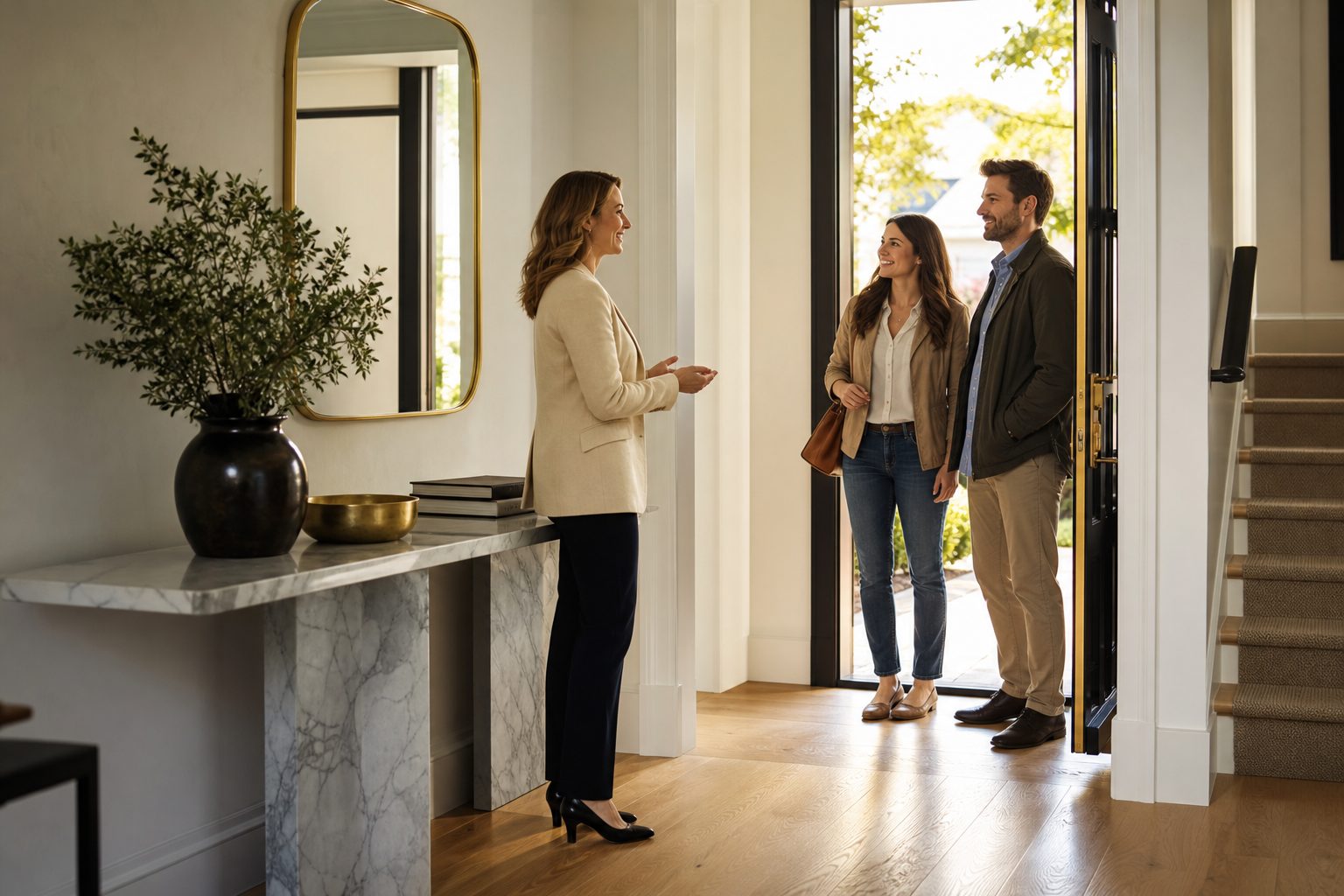
The first words out of an agent's mouth shaped how much information visitors shared. Rachel stood up as soon as someone entered, greeting each guest by looking them directly in the eye, extending her hand, and saying, "Welcome, I'm Rachel. I'd love to know your name." Most responded with first and last names. When she followed with, "Would you mind signing in?" they rarely hesitated.
Greg, on the other hand, greeted people from behind his table. "Hi, I'm Greg. Sign in if you'd like," he offered, gesturing to the clipboard. Many guests nodded, then walked right past. Only one group out of six wrote anything beyond a first name. Later, he found that several had wandered through without leaving contact details.
At the kitchen island house, the two agents split duties. One stationed at the kitchen asked, "Did you have a chance to sign in?" but only after visitors had toured half the home. Some had already decided they weren't interested by that point, and many skipped the tablet altogether. The late ask led to fewer names and almost no contact information from early visitors.
Keep reading: How to Run a Weekend Open House Solo, From Setup to Lockup
Where the sign in lived, and how its placement changed who used it
Sign-in location made the difference between a full guest log and a scattered list of first names. At Rachel's house, the sign-in was impossible to miss. The table blocked the path to the living room. Guests paused, signed in, and got a brief pitch about the house. Rachel noted that even shy or reluctant visitors usually filled out the form, at least with a name and email.
Greg's table, cramped near the doorway, encouraged quick entry but not careful sign-in. A few people squeezed past without breaking stride. The sign-in form became an afterthought, and Greg spent part of his afternoon trying to recall which guests had come through.
The kitchen island setup offered privacy, but also made the sign-in optional in practice. Visitors who reached the kitchen already had an impression of the home. Some accepted the tablet; others simply grabbed a flyer and left. The agents missed out on early opportunities to engage and sometimes lost track of who had walked in.
The agent who worked the kitchen island instead of the front door
At the third house, agent Lisa preferred to let people wander before approaching them. She believed that buyers need space to form an opinion before they're ready to interact. She stayed in the kitchen, near the sign-in tablet and the snacks, making polite conversation with anyone who lingered.
This approach led to longer, more in-depth chats, but only with visitors who chose to return to the kitchen. Some buyers left without ever making eye contact with an agent. Lisa's partner tried roaming the house, but found it awkward to break into conversations or to ask for sign-in details after people had already explored the property.
In contrast, Rachel's front-and-center greeting made it clear who was present in the house at all times. Her list was nearly complete by day's end. Lisa's kitchen island method depended on visitors' initiative and resulted in gaps in their follow-up list, especially among the early crowd.
See how FoyerSignIn handles this for residential real estate
What visitors asked about most: taxes, schools, the roof, and the commute
Across all three open houses, certain questions came up again and again. Taxes topped the list. Whether the visitor was a neighbor or a first-time buyer, almost everyone wanted to know the current property tax bill and whether there had been recent reassessments. Rachel had a printed summary ready, which saved time and built credibility.
School districts and ratings were next. Parents or would-be parents asked for boundaries, bus routes, and the names of nearby elementary schools. Greg kept a folder of district maps and test scores, but sometimes struggled to keep up with changing boundaries. Lisa offered school website printouts and directed people to a district map on her tablet.
Other top questions: when was the roof last replaced, what is the furnace age, and how far is the nearest commuter rail stop. Many buyers took notes or snapped photos of posted utility bills. Several visitors asked about average heating costs, especially in older homes. Agents who had these numbers ready, or who could quickly text them, made a stronger impression.
Teardown, and what each agent actually wrote down before driving away
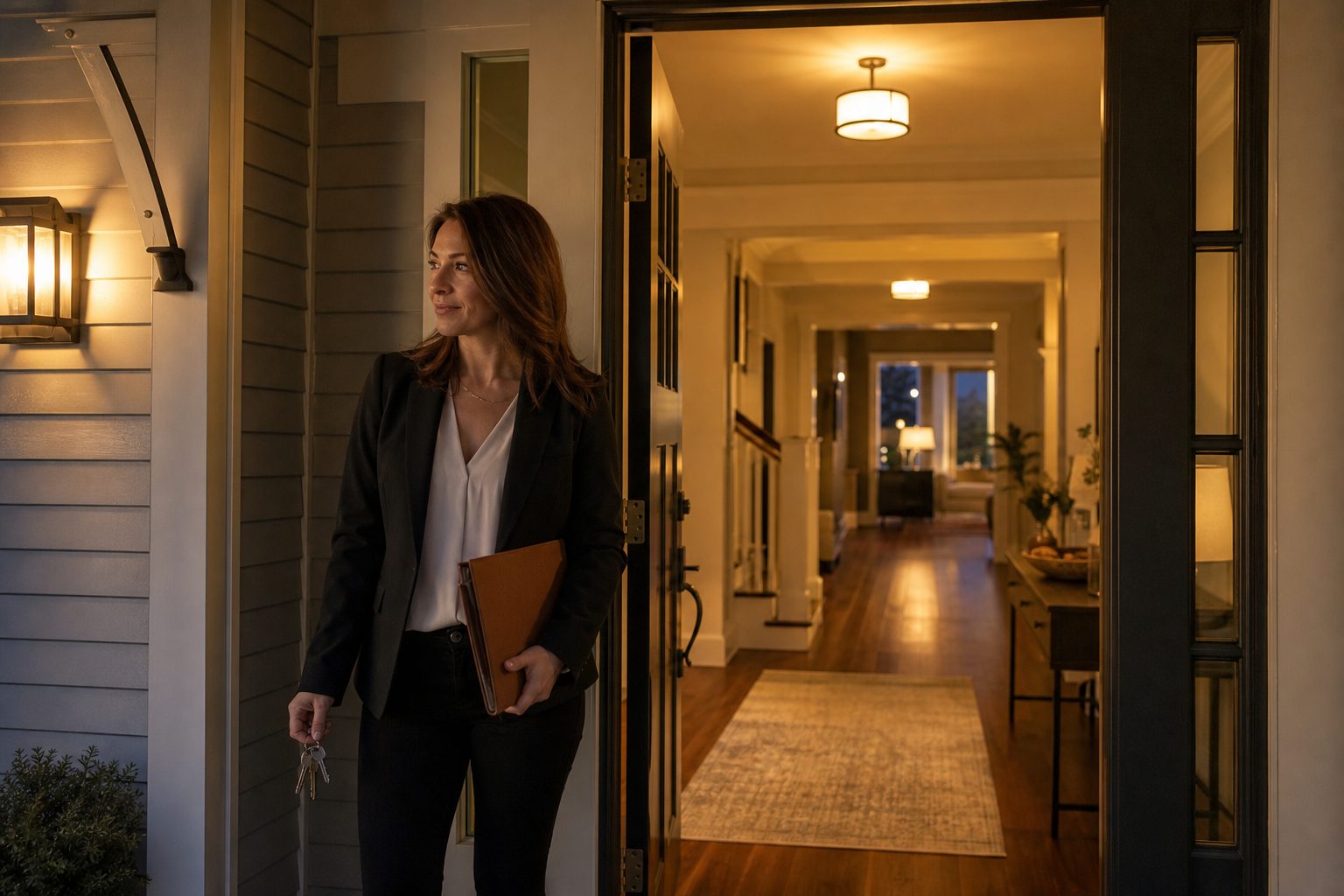
When traffic died down, teardown started quickly. Rachel packed her tablecloth, double-checked her sign-in sheet, and added notes about promising visitors. She wrote down which buyers asked for a second look, and which seemed on the fence about making an offer. Before leaving, she texted the seller a quick summary and stacked her notes to prep for follow-ups.
Greg's process was more haphazard. He scanned his sign-in sheet and realized several names were missing phone numbers or emails. He tried to jot down details from memory: the couple with the toddler, the man in a Red Sox cap. He found himself wishing he had asked more directly for contact info.
Lisa and her partner downloaded the sign-in data from their tablet. The list was shorter than expected. They debated which visitors matched each entry, since some had skipped the sign-in altogether. They divided follow-up duties, but knew they would need to guess who was a neighbor and who was a real prospect.
Each agent faced the same paperwork challenge: hunting for missing details, tracking who wanted more information, and organizing notes for their sellers. The agents who got full information early had an easier time delivering seller reports and starting follow-ups.
For solo agents and small teams, a well-placed digital sign-in tool can make the difference. Automatic guest logs, instant seller reports, and scheduled buyer follow-up free up time and reduce missed opportunities, especially for those running open houses alone.